
Tank level control
Model, tune and document a single loop end to end.
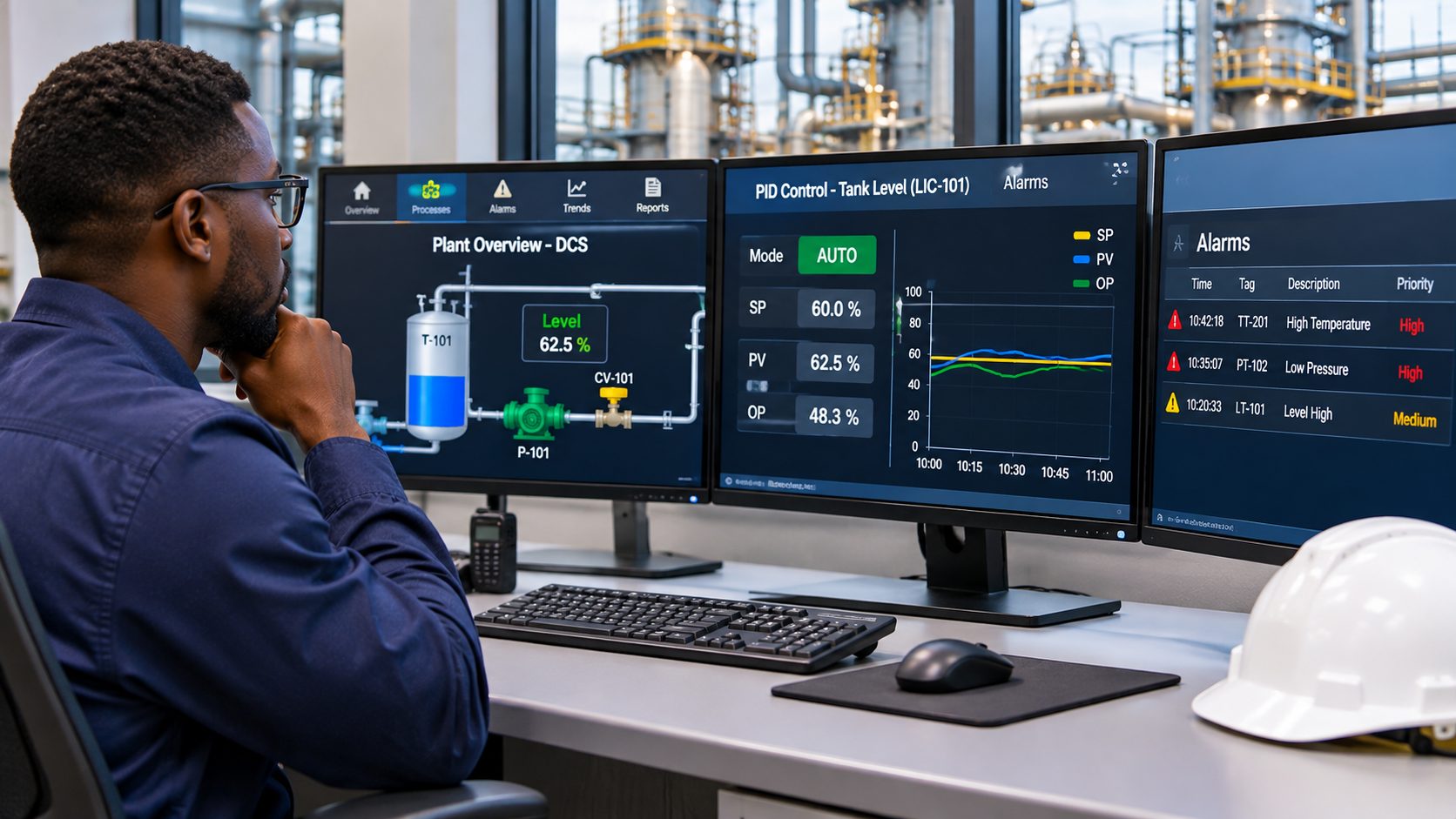
Learn to make a plant behave: tune loops, design control strategies and keep a column stable when feed, pressure and purity all move at once.
Week 13 practical · cascade on a fired heater
Every refinery, gas plant, brewery and cement line in Nigeria runs on control loops, and most of them run badly: oscillating, in manual, or tuned once in 2009 and never touched. The engineer who can walk up to a misbehaving column, read the trends, and bring it back under control without a shutdown is worth more to an operations manager than almost anyone else on the floor.
This track teaches that skill the only way it can be learned: on a process that fights back. Over fourteen weeks you will tune, re-tune, design and defend control strategies on live models of real equipment, with an engineer who has done it on real plants grading every decision. You finish able to do the job, not just describe it.
Hands-on in this track
14 graded practicals, 5 process models, 1 capstone plant
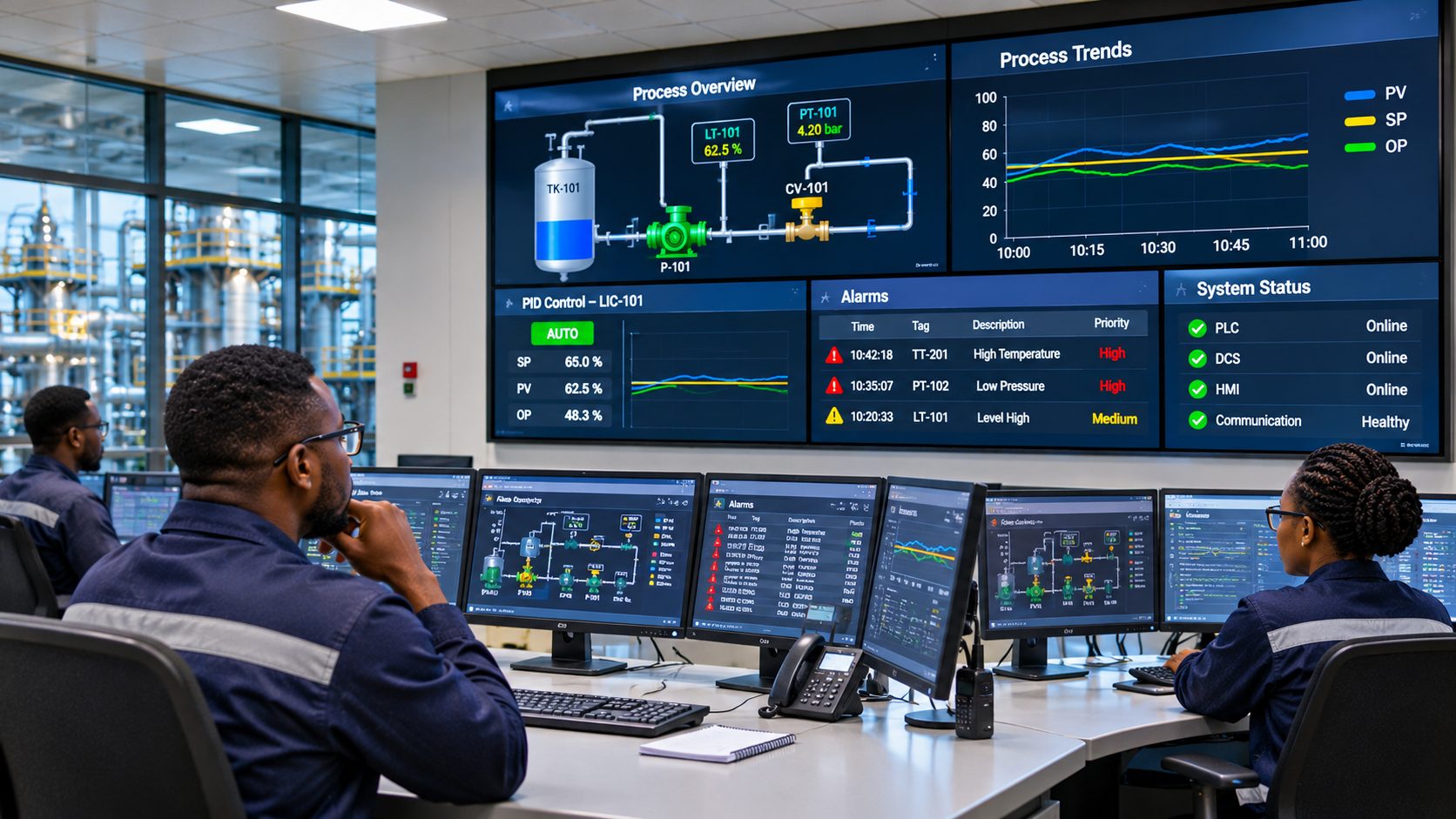
Tank, heat exchanger, fired heater, distillation column, three-phase separator. Each one modelled with real dynamics, dead time and noise in the MAT Lab, powered by Velnode. You will spend about three hours a week in it.
Single course ₦150,000 · all five separately ₦750,000
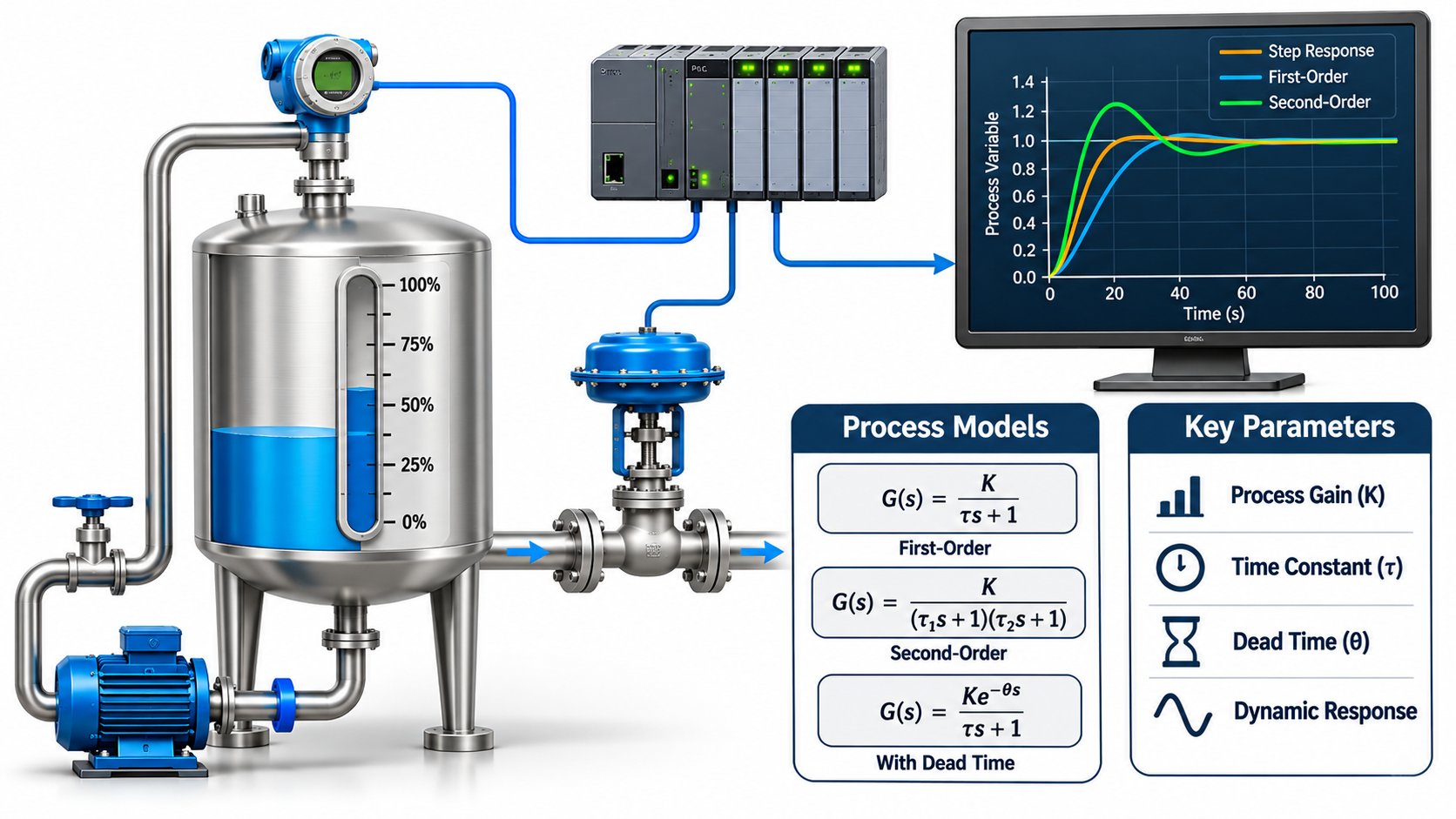
How tanks, exchangers and columns respond; dead time and lag; open-loop tests.
Practical: Fit a model to a tank's step response.
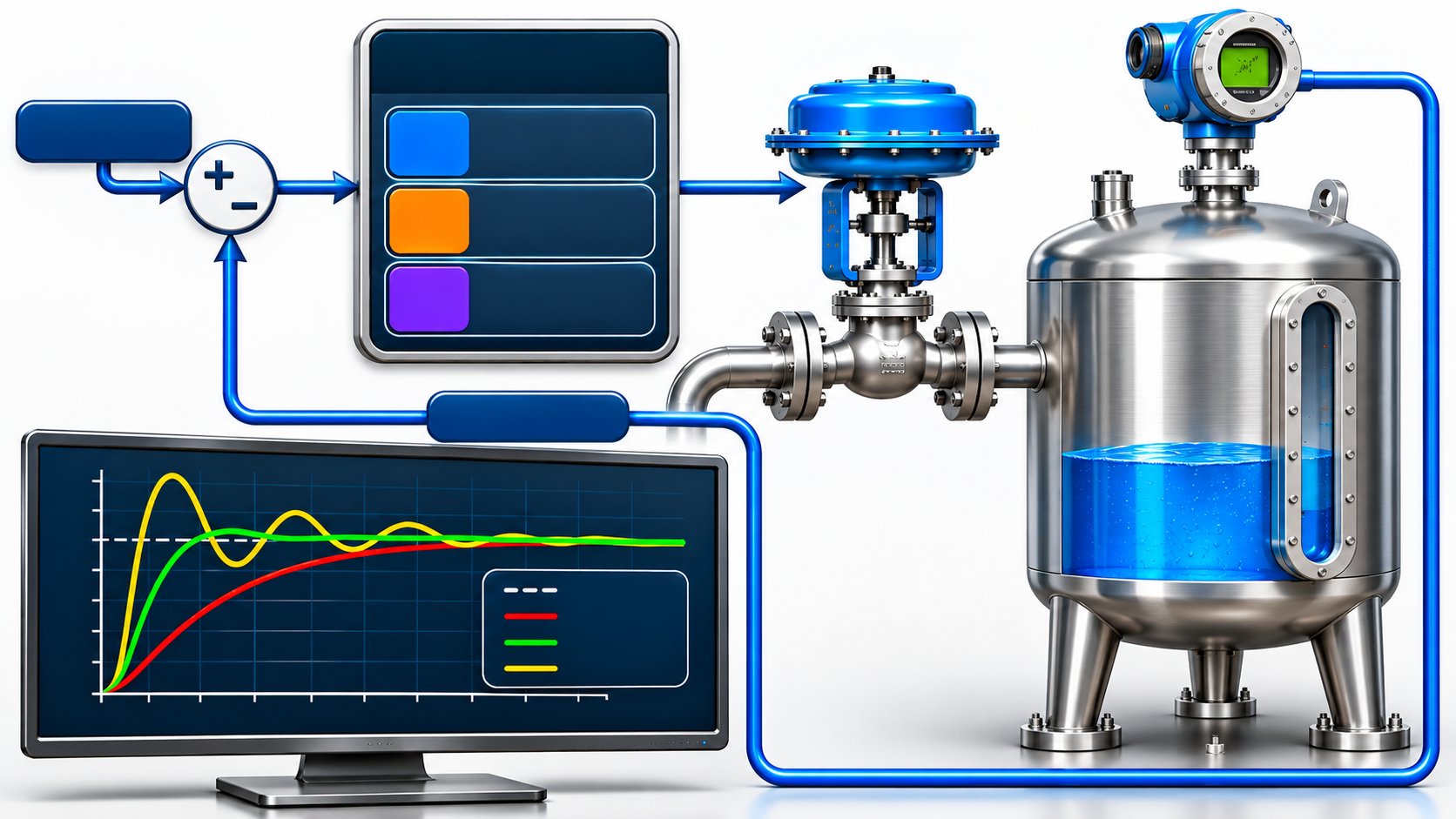
Ziegler–Nichols, lambda and IMC; noise, stiction, dead time.
Practical: Tune one level loop three ways and recommend one.
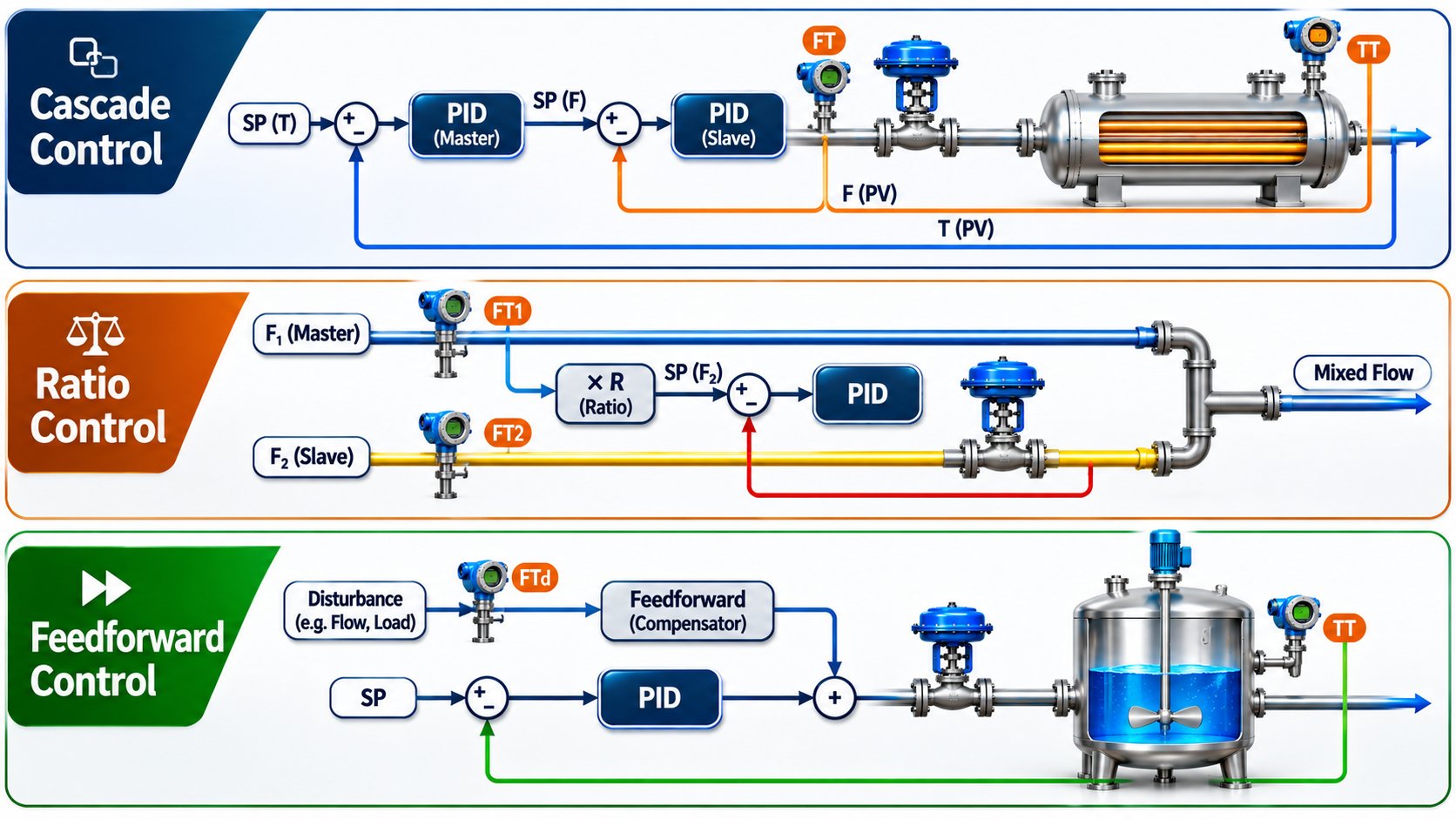
Strategies that fix what one loop cannot.
Practical: Cascade on a heater outlet temperature.
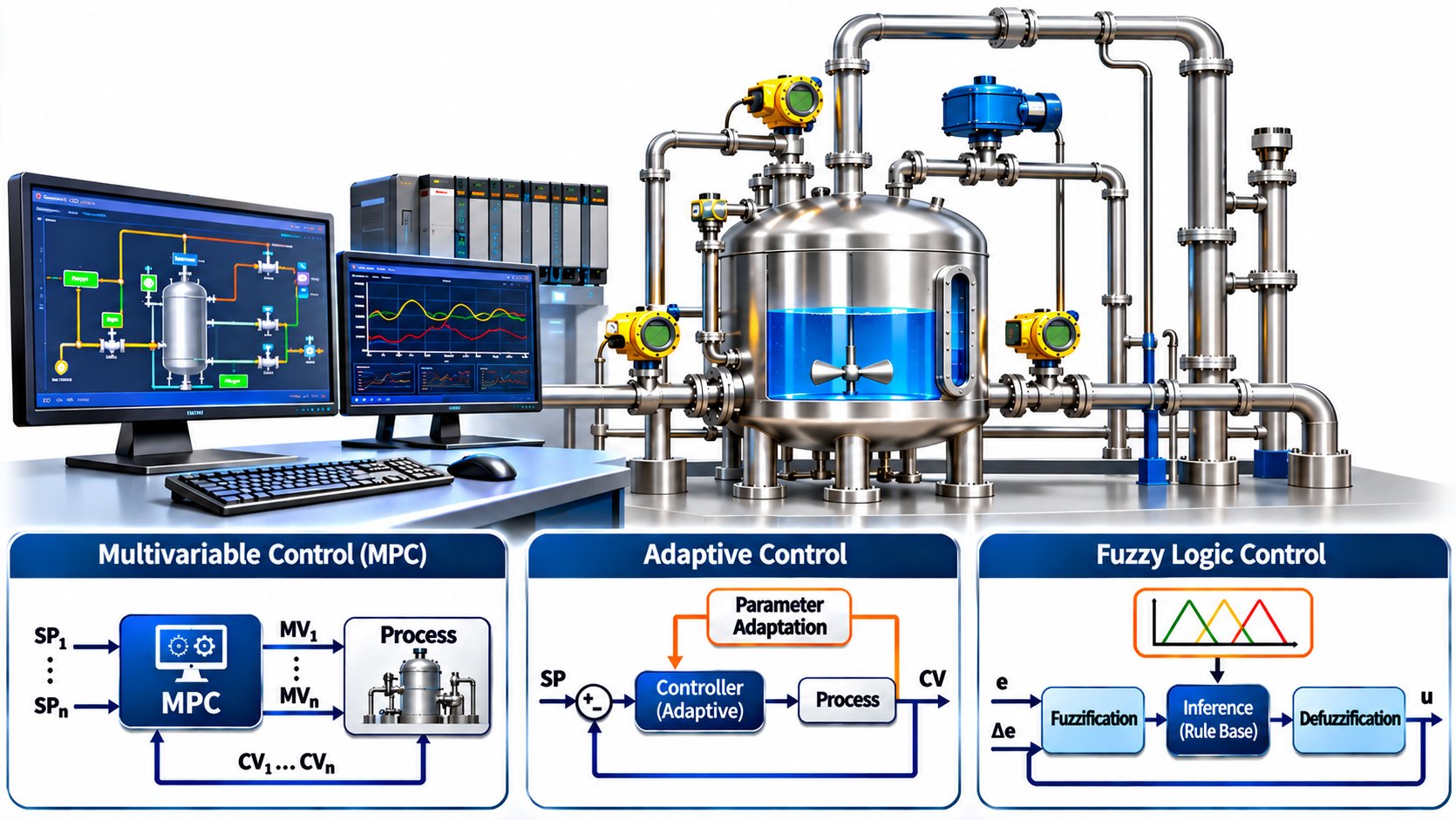
Where model predictive control earns its cost.
Practical: Compare PID and MPC on a column.
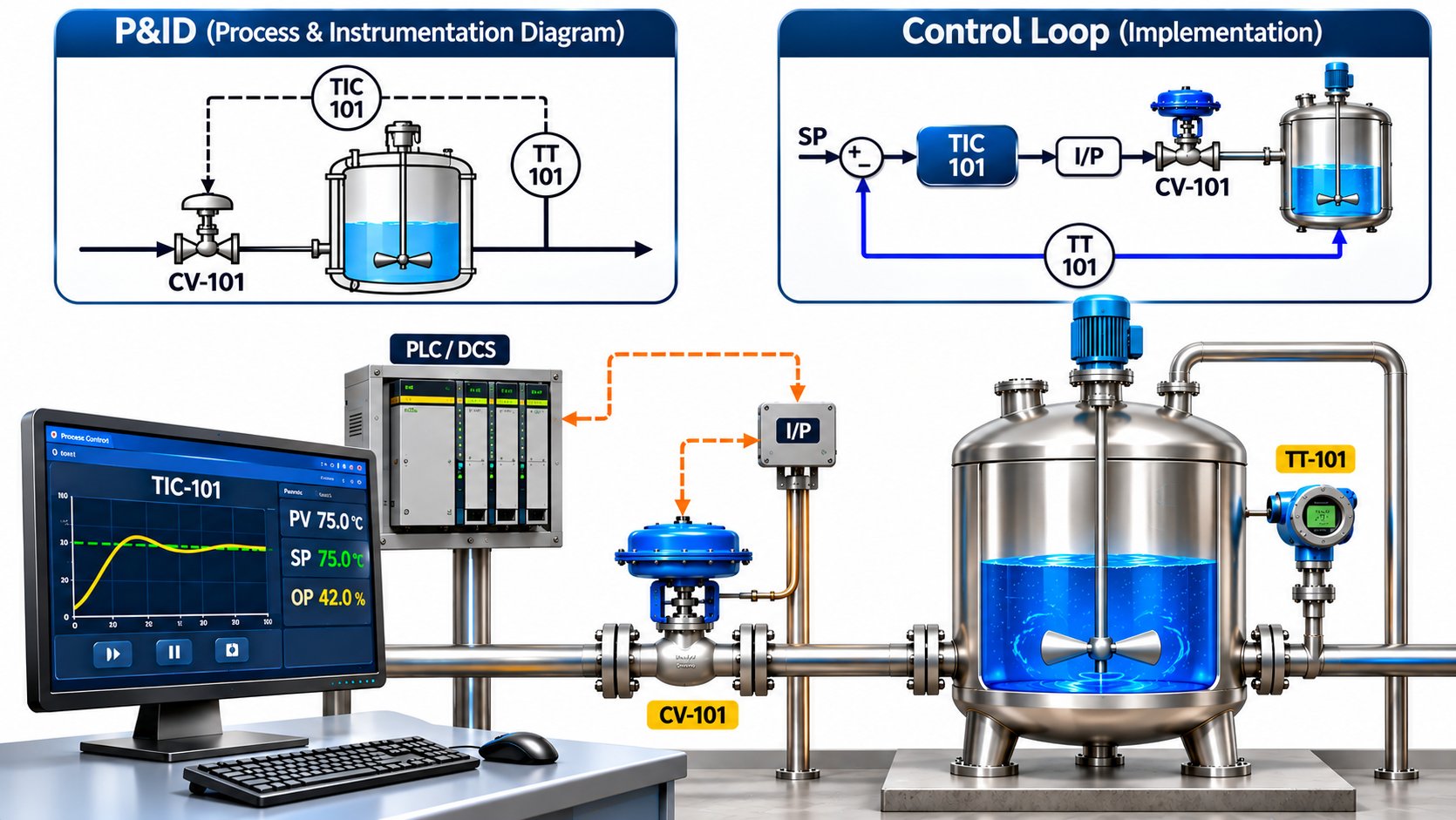
Drawing to narrative to working logic.
Practical: Full strategy for a three-phase separator.
The full track is ₦700,000 and adds the capstone, exam prep, career support and the MAT Professional Certificate.
Apply for the full trackWeek 12 flagship practical · cascade + feedforward · graded on purity recovery time
On Velnode, Madesoft's process simulator, you take a column that is cycling under feed upsets, design cascade and feedforward control, tune it, and write the strategy up the way a contractor would. Your instructor grades it; it goes on your portfolio.
Model, tune and document a single loop end to end.
Fix a slow temperature loop with a cascade on fuel flow.
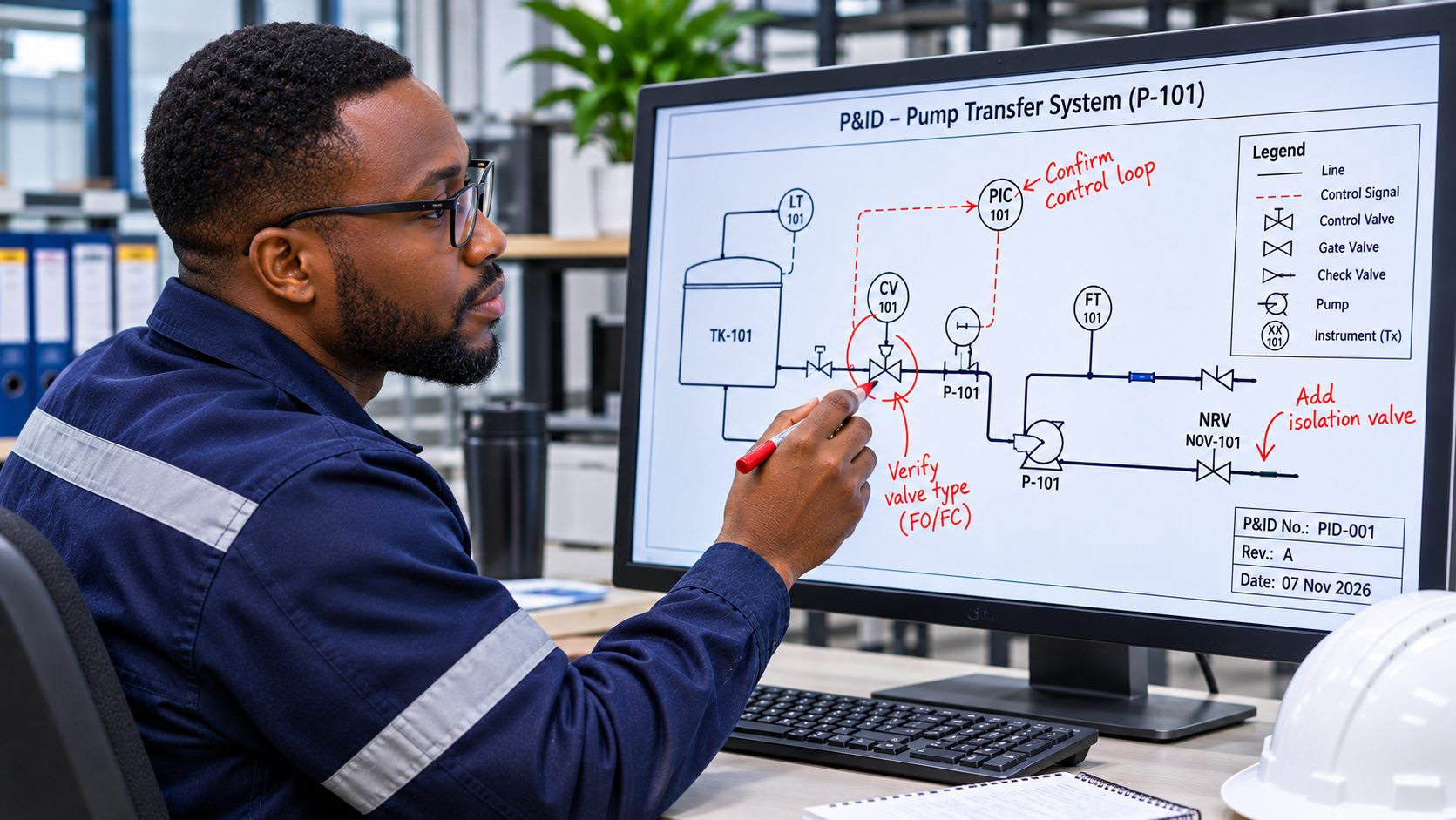
From P&ID to a written narrative and working logic.

Lead instructor · Process Control
8+ years on live plants · currently in industry · teaches one cohort at a time
Your lead has tuned loops, migrated DCS systems and sat through alarm floods on real sites. They teach every class, grade every practical and run the Saturday clinic, with a teaching assistant and guest specialists for SIS, alarm management and MPC. Faculty rotates by cohort, so you meet your lead on the orientation call rather than on this page.
Twenty-five students per track, so your instructor knows your name, your practicals and the mistakes you keep making. Tuesday and Thursday classes are live and interactive: you will be asked to read a trend and say what the loop is doing before the instructor does. Saturday clinics are small-group reviews where you walk the class through your own practical and take questions.
Between classes you are in the MAT Lab, building the week's practical on your own schedule. A teaching assistant, usually a MAT graduate now working in industry, answers questions on the cohort channel within hours. Every class is recorded, so a missed evening never becomes a missed week.
Chemical engineering graduate→Process control engineer
“I had tuned loops by guessing for two years. Week two of PID Loop Tuning was the first time I understood what I was doing. The capstone column is what I talked about in every interview.”
Plant operator→DCS engineer
“Operators see loops misbehave every shift and nobody explains why. This track did. I moved from the panel to the engineering team eight months after finishing.”
Outcomes shown are for MAT programmes since 2021. Six-month programme cohort 1 outcomes will be published in July 2027.
Prices in naira: you are visiting from Nigeria.
₦700,000
Early-bird until 15 Dec · standard ₦800,000
3 × ₦250,000
Months 1, 3 and 5 · no interest
Apply with instalments₦150,000
Three weeks · one graded practical · upgrade credit
Browse courses
You need algebra and a feel for graphs. We teach the rest as we go; no Laplace transforms are required to pass.
Yes. Foundation covers how a plant works in week 1, and PC-01 starts from first principles.
A laptop with Chrome. The simulator runs in the browser; any vendor tools we use are free trials.
Yes, at the end of Foundation in week 4, without losing work.
No physical lab is needed. Every practical runs in the simulator, which models real process behaviour.
MAT Professional Certificate in Process Control, with a verification code and a link to your graded portfolio.