
Instrument specification
Select every instrument on a separator and justify each choice.
Learn to measure the world precisely: select and calibrate every instrument on a unit, size the valves, install the loops safely and produce the documents every contractor signs.
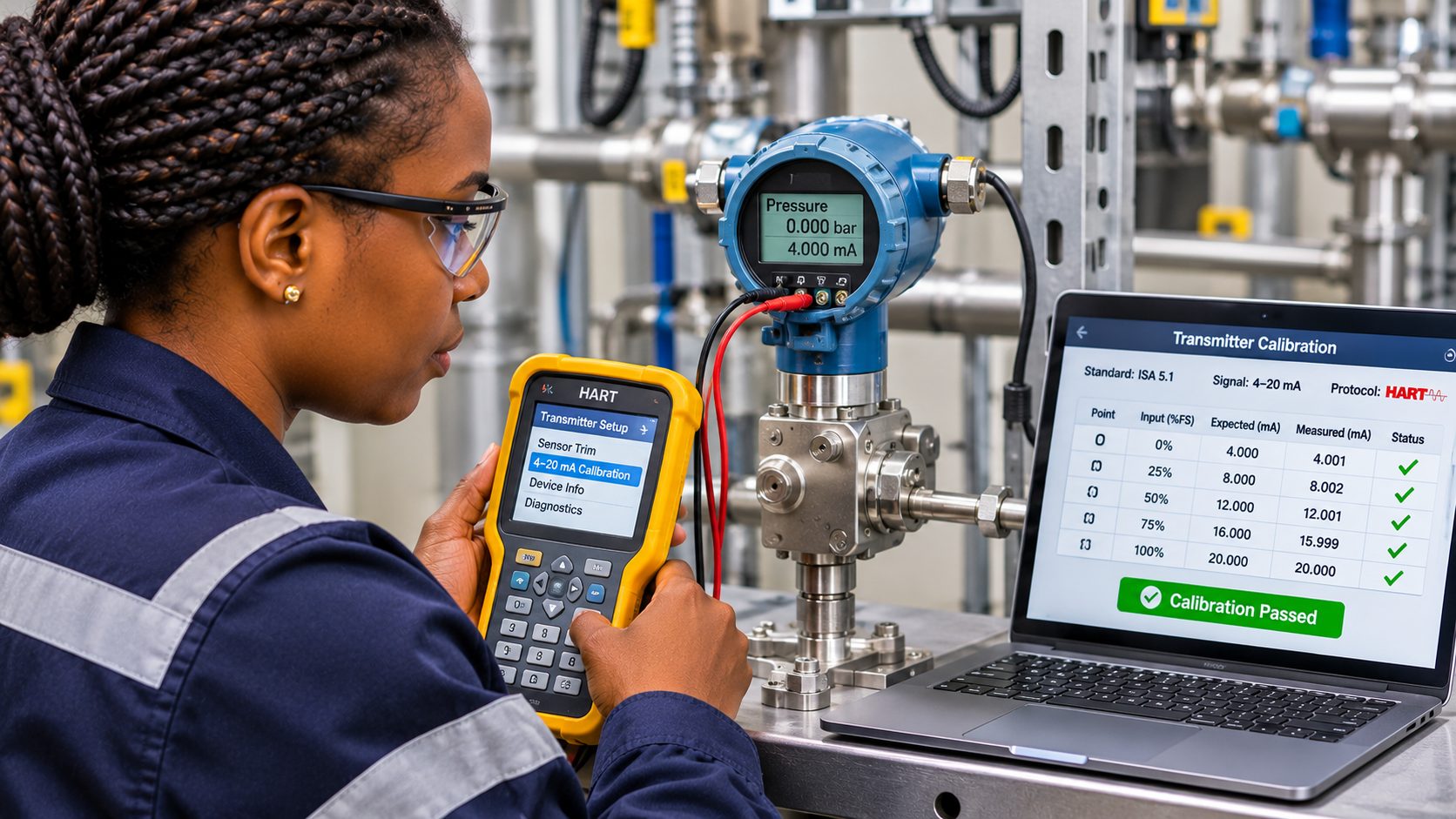
Week 10 practical · transmitter calibration with uncertainty
Every control loop, every safety trip and every custody-transfer invoice in a plant depends on a transmitter someone selected, installed and calibrated. On most sites that someone left years ago, the calibration certificates are out of date and the loop sheets do not match what is on the pipe rack. The instrument engineer who can walk a loop from the tap to the control room, find why the reading is wrong and fix it with the paperwork to prove it is the person the plant manager calls first.
This track makes you that engineer. Over fourteen weeks you learn how pressure, flow, level and temperature are really measured and where each fails, range and calibrate transmitters to a procedure, size control valves, install intrinsically safe loops and produce the instrument index, datasheets and loop sheets to ISA 5.1 for a complete three-phase separator. An instrument engineer who does it for a living grades every one.

Hands-on in this track
14 graded practicals, 12 instruments, 1 complete separator loop set
Pressure, DP flow, level and temperature transmitters, a control valve with positioner, and an intrinsically safe loop. Each instrument in the MAT Lab drifts, saturates and fails the way the real one does. You will spend about three hours a week in it.
Single course ₦150,000 · all five separately ₦750,000
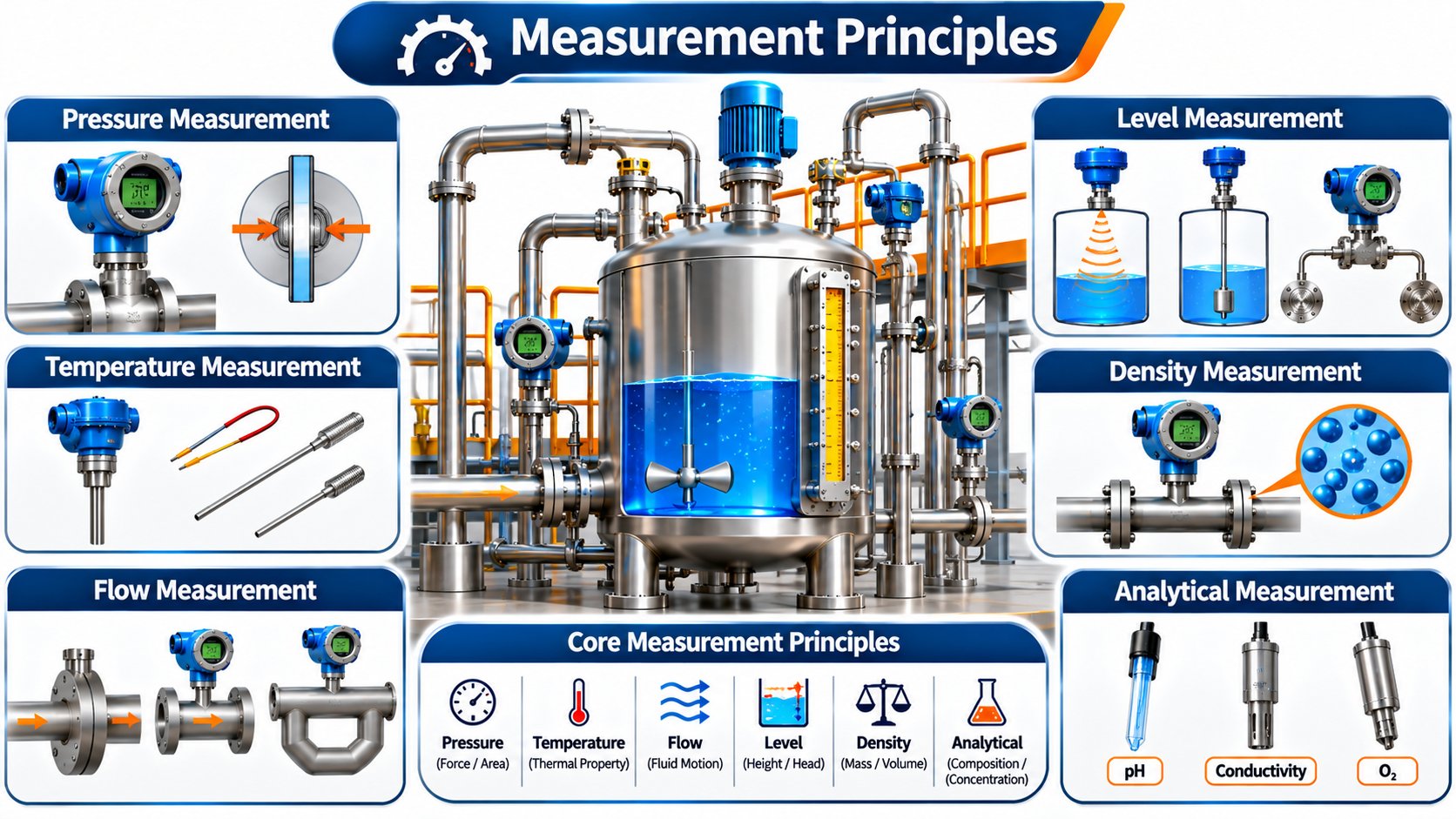
Pressure, flow, level and temperature: how each is measured, how to choose a technology, and where each fails.
Practical: Specify the instruments for a separator from its P&ID.
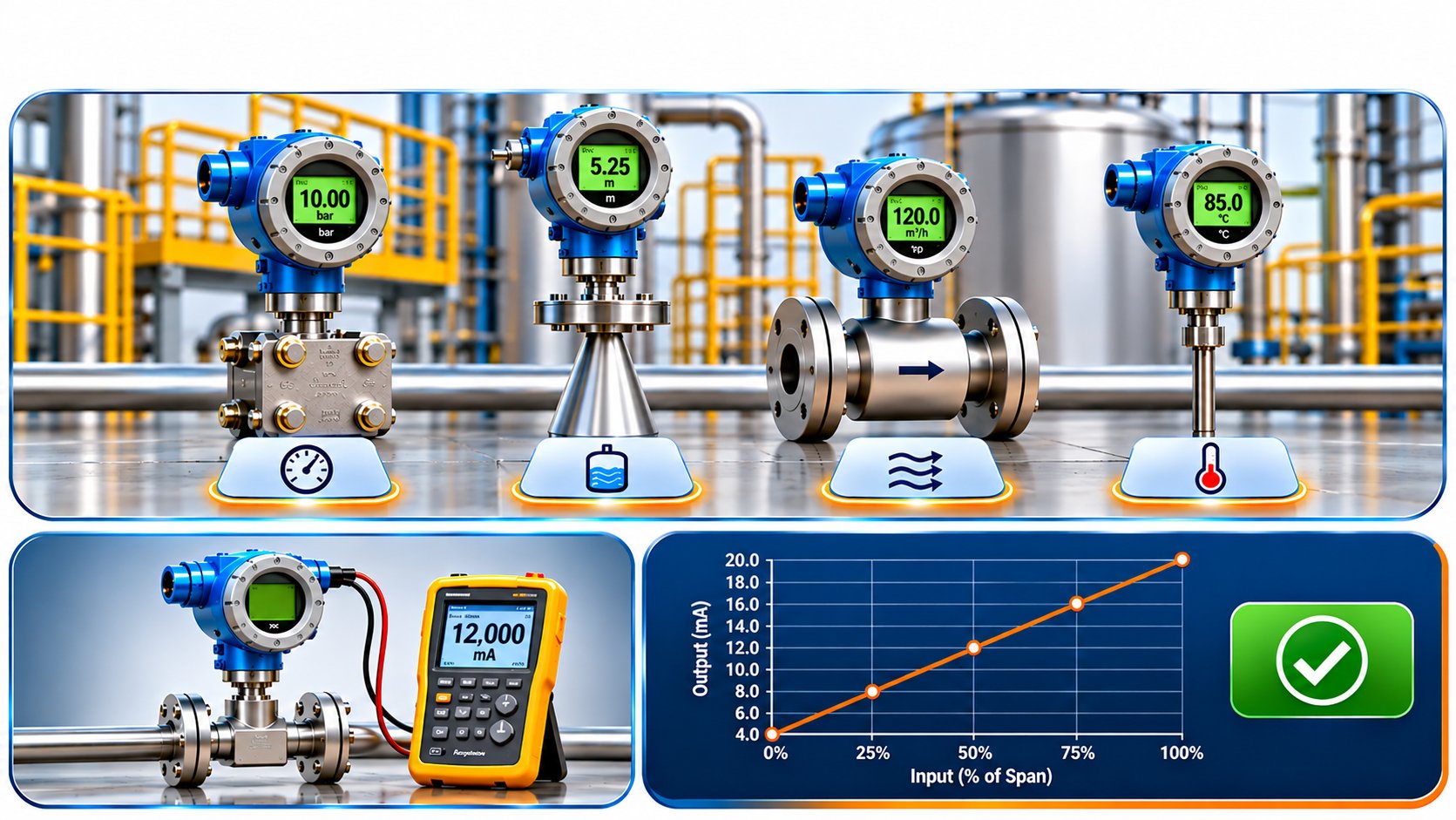
Ranging, HART configuration, five-point calibration procedure, as-found and as-left records, uncertainty.
Practical: Calibrate a pressure and a level transmitter and write the certificate.
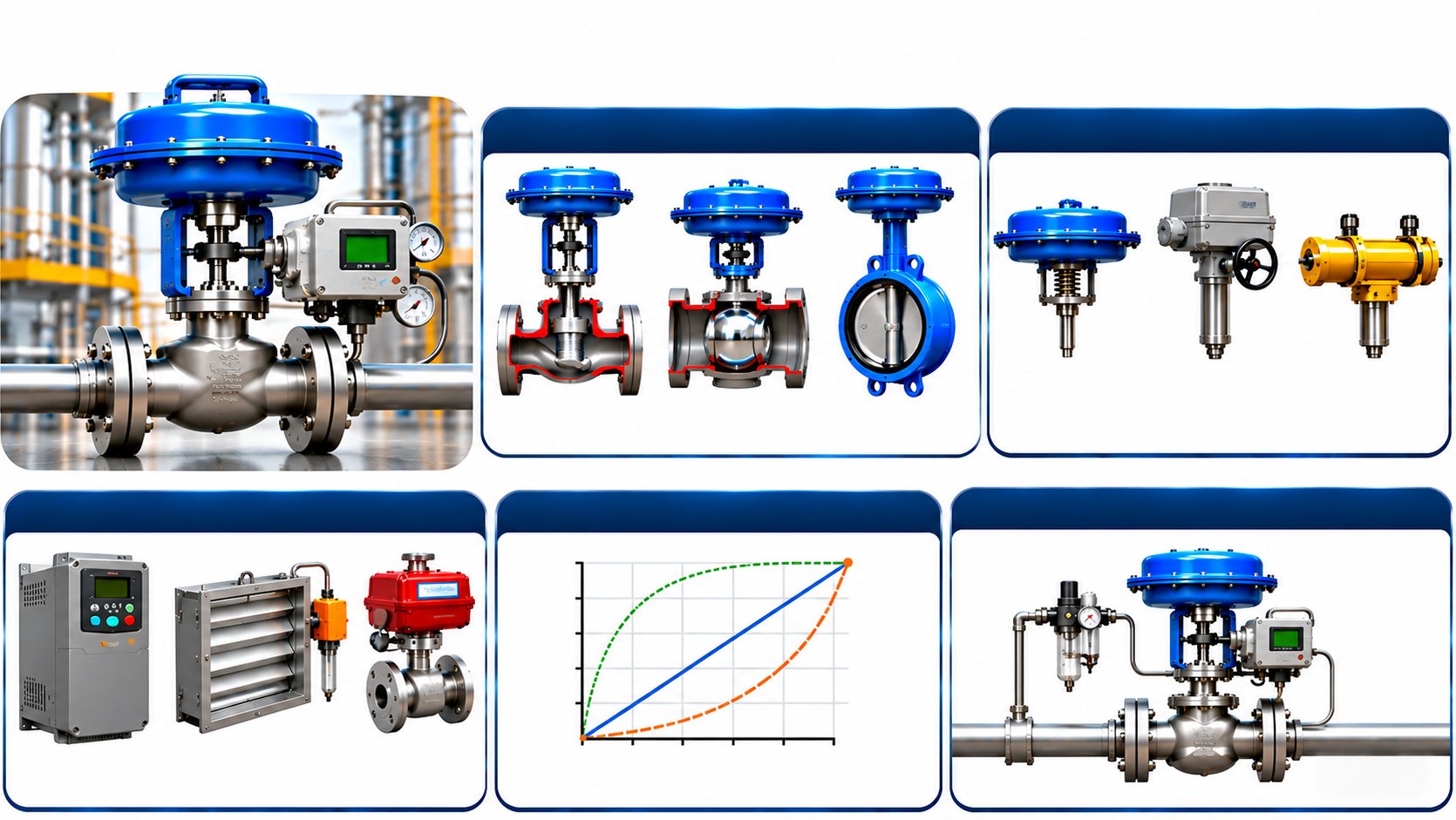
Sizing, inherent and installed characteristics, positioners, actuators, fail positions.
Practical: Size and set up the separator level control valve.
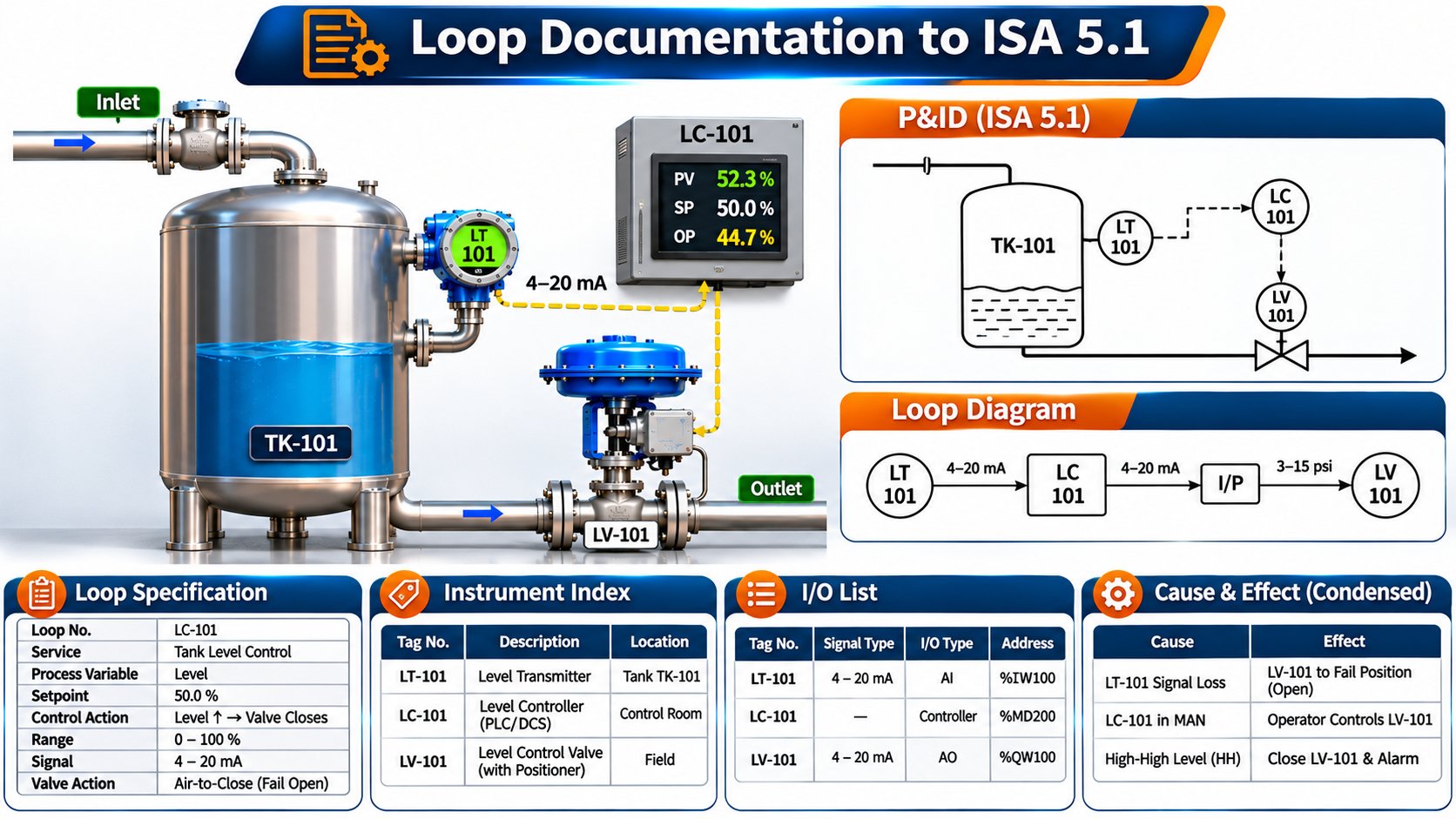
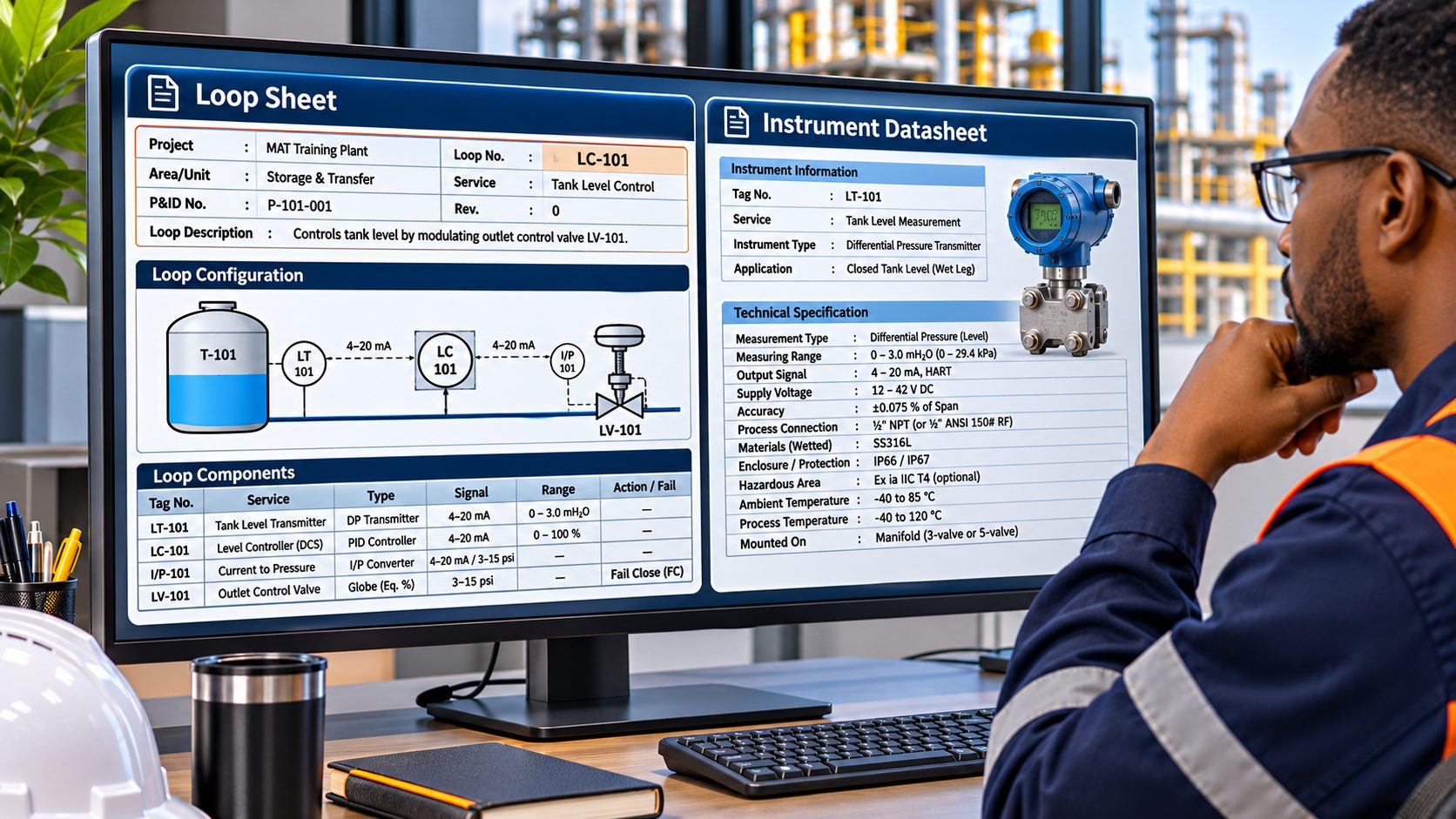
P&ID symbols, instrument index, loop sheets, datasheets and cable schedules.
Practical: Produce the full loop sheet set for the separator.
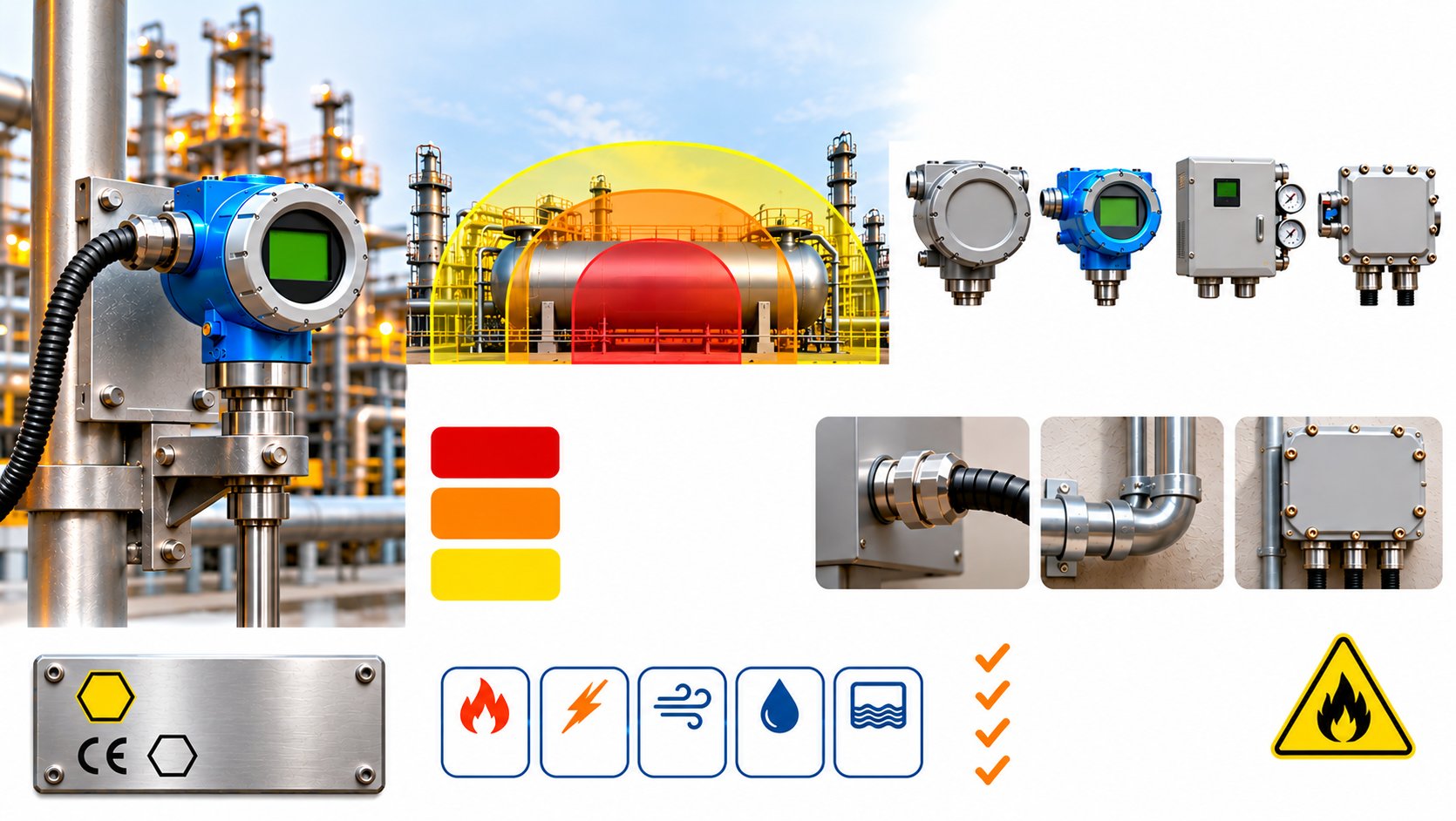
Zones, Ex protection concepts, intrinsically safe loops, barriers, installation and inspection checks.
Practical: Install and check an IS loop and close out the punch list.
The full track is ₦700,000 and adds the capstone, exam prep, career support and the MAT Professional Certificate.
Apply for the full trackWeek 18 flagship practical · specify, calibrate, document · graded on calibration records and loop sheets to ISA 5.1
In the MAT Lab you take a separator with a P&ID and nothing else: select and size every transmitter and valve, calibrate each one to a written procedure, install the hazardous-area loops, and produce the instrument index, datasheets and loop sheets a contractor would hand over. Your instructor grades the selections, the calibration records and the documents; they go on your portfolio.
Select every instrument on a separator and justify each choice.
Five-point calibration with as-found, as-left and uncertainty.
Twelve loops documented to ISA 5.1 and ready for handover.

Lead instructor · Instrumentation
8+ years on live plants · currently in industry · teaches one cohort at a time
Your lead has calibrated transmitters at 3 a.m., chased loop faults across pipe racks and signed off instrument packages for commissioning. They teach every class, grade every practical and run the Saturday clinic, with a teaching assistant and guest specialists for control valves, hazardous areas and metrology. Faculty rotates by cohort, so you meet your lead on the orientation call rather than on this page.
Twenty-five students per track, so your instructor knows your name, your practicals and the mistakes you keep making. Tuesday and Thursday classes are live and interactive: you will be asked to read a trend and say what the loop is doing before the instructor does. Saturday clinics are small-group reviews where you walk the class through your own practical and take questions.
Between classes you are in the MAT Lab, building the week's practical on your own schedule. A teaching assistant, usually a MAT graduate now working in industry, answers questions on the cohort channel within hours. Every class is recorded, so a missed evening never becomes a missed week.
Electronics graduate→Instrument engineer
“I knew what 4–20 mA meant but had never ranged a transmitter or written a loop sheet. The separator package from week 18 was my interview portfolio; the hiring manager flipped through the datasheets and stopped asking questions.”
Instrument technician→Calibration engineer
“Ten years swapping transmitters without understanding uncertainty or why the valve hunted. This track put the theory under what I already did. I now run the calibration programme at my plant.”
Outcomes shown are for MAT programmes since 2021. Six-month programme cohort 1 outcomes will be published in July 2027.
Prices in naira: you are visiting from Nigeria.
₦700,000
Early-bird until 15 Dec · standard ₦800,000
3 × ₦250,000
Months 1, 3 and 5 · no interest
Apply with instalments₦150,000
Three weeks · one graded practical · upgrade credit
Browse courses
No. The MAT Lab models each transmitter, the calibrator and the HART communicator in the browser, including drift and failures. Sponsored students can arrange bench time with their employer.
Ohm's law and a feel for a 4–20 mA loop. IN-01 starts from first principles and we teach the rest as it comes up.
Both. Technicians formalise what they already do and learn the selection and documentation side; graduates learn the hands-on side they never got. Assessed experience counts as a prerequisite.
Yes. IN-05 covers zones, Ex protection concepts and intrinsically safe loops, with an installation and inspection practical. It prepares you for, but does not replace, a CompEx-style certification.
Yes, at the end of Foundation in week 4, without losing work.
MAT Professional Certificate in Instrumentation, with a verification code and a link to your graded portfolio, including the separator loop sheets.