
Tank fill sequence
Wire, program and test a complete sequence end to end.
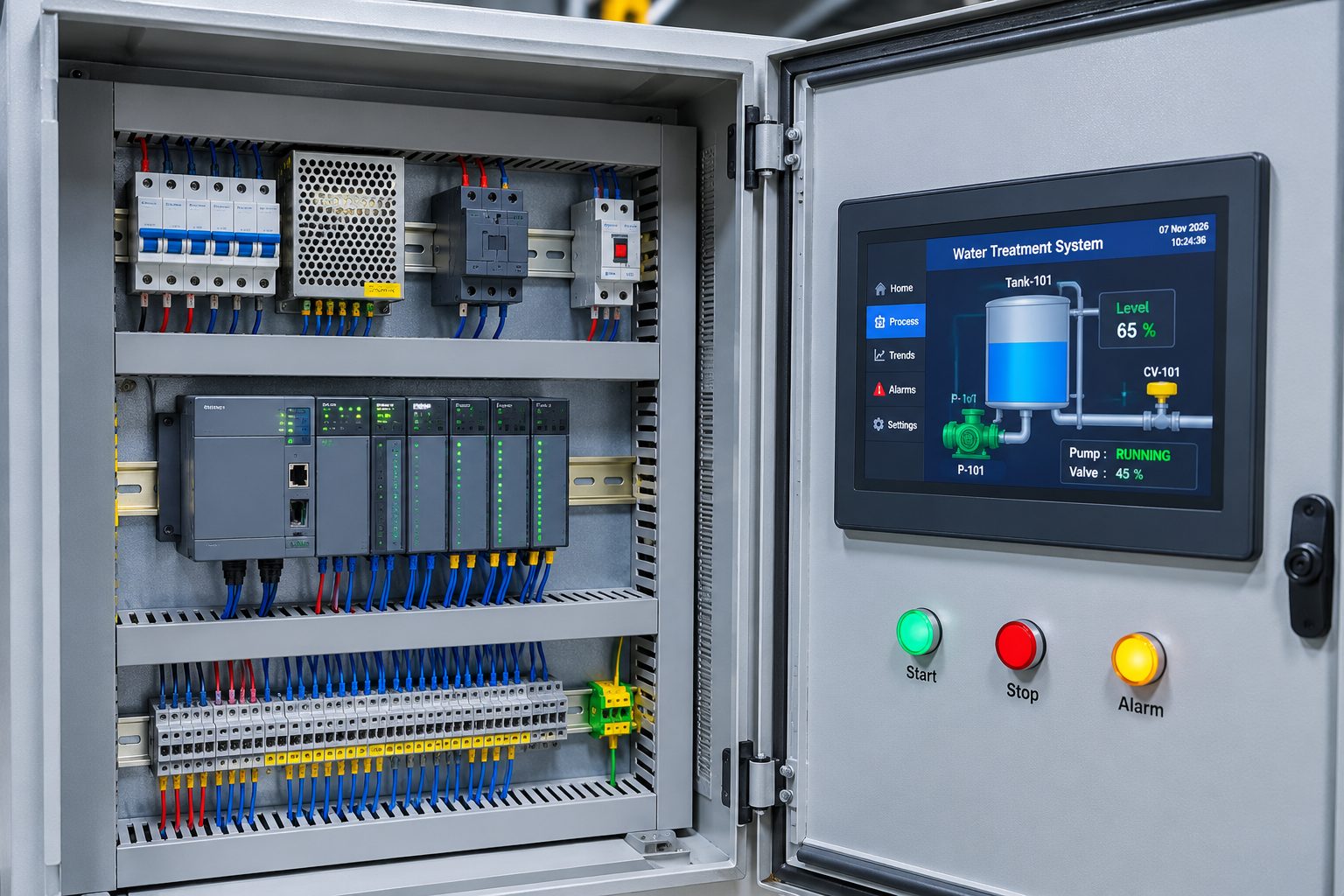
Learn to make machines do things: program PLCs on two vendor platforms, build HMI screens operators can use, network the floor and commission a line from a cold start to steady state.
Week 18 practical · packaging line commissioning
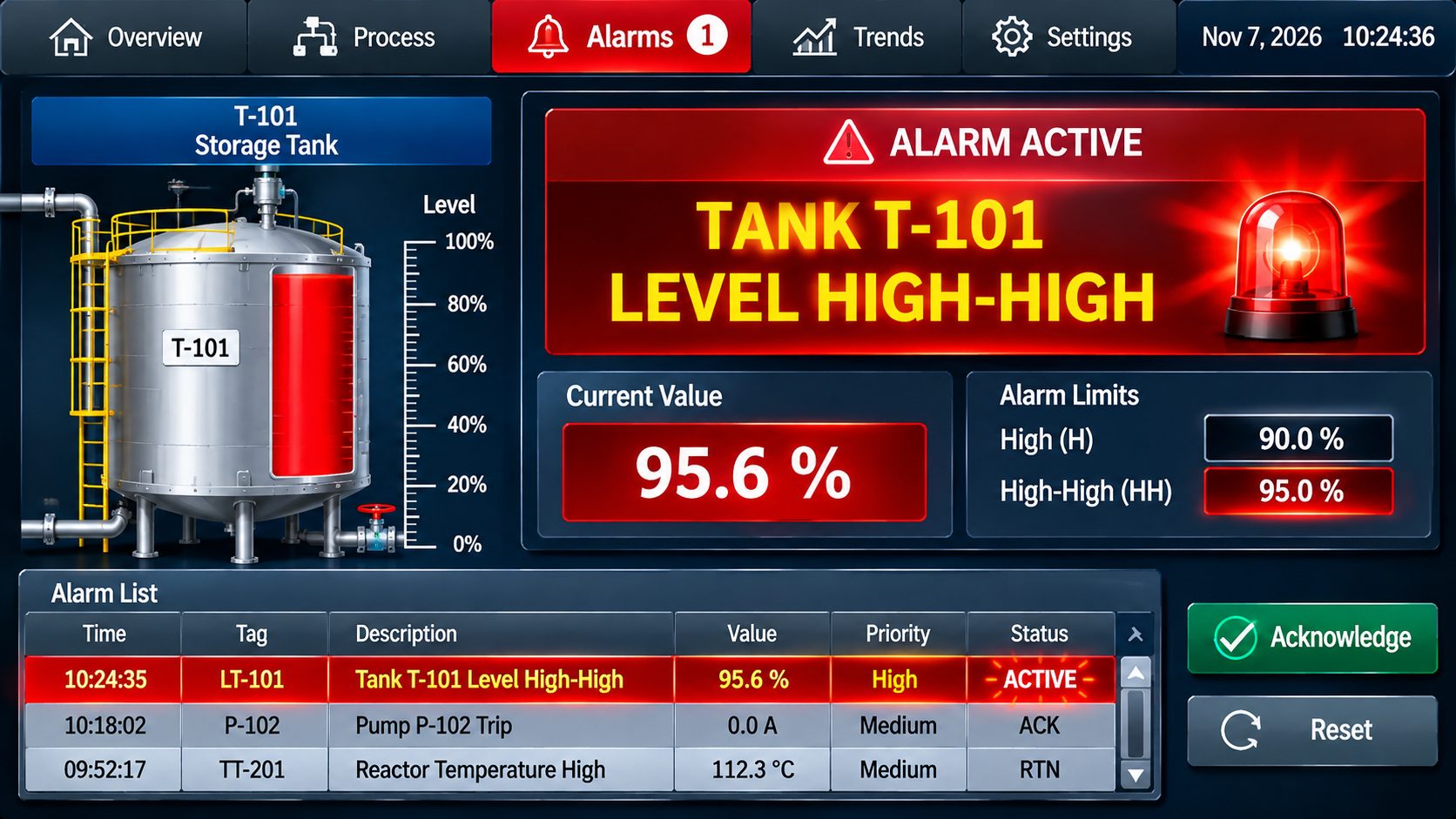
Breweries, bottling plants, cement lines, flour mills and the packaging halls of every FMCG company in Nigeria run on PLCs, and most of them were programmed by a contractor who has long since left. When a line stops at 2 a.m., the person who can open the program, find the interlock that tripped and get it running again is the most valuable engineer on site. Most plants do not have one.
This track makes you that engineer. Over fourteen weeks you program on two vendor platforms, build the HMI the operators will actually use, connect the network, size the drives and then commission a full packaging line in the MAT Lab, from a cold start to rated speed, with every fault and bypass you would meet on a real floor. An automation engineer who has done it for a living grades every step.

Hands-on in this track
14 graded practicals, 2 PLC platforms, 1 full packaging line
Tank fill sequence, conveyor and packaging line, motor control centre, plant network. Each practical runs against a machine model in the MAT Lab that behaves like the real thing: sensors fail, guards open, drives trip. You will spend about three hours a week in it.
Single course ₦150,000 · all five separately ₦750,000
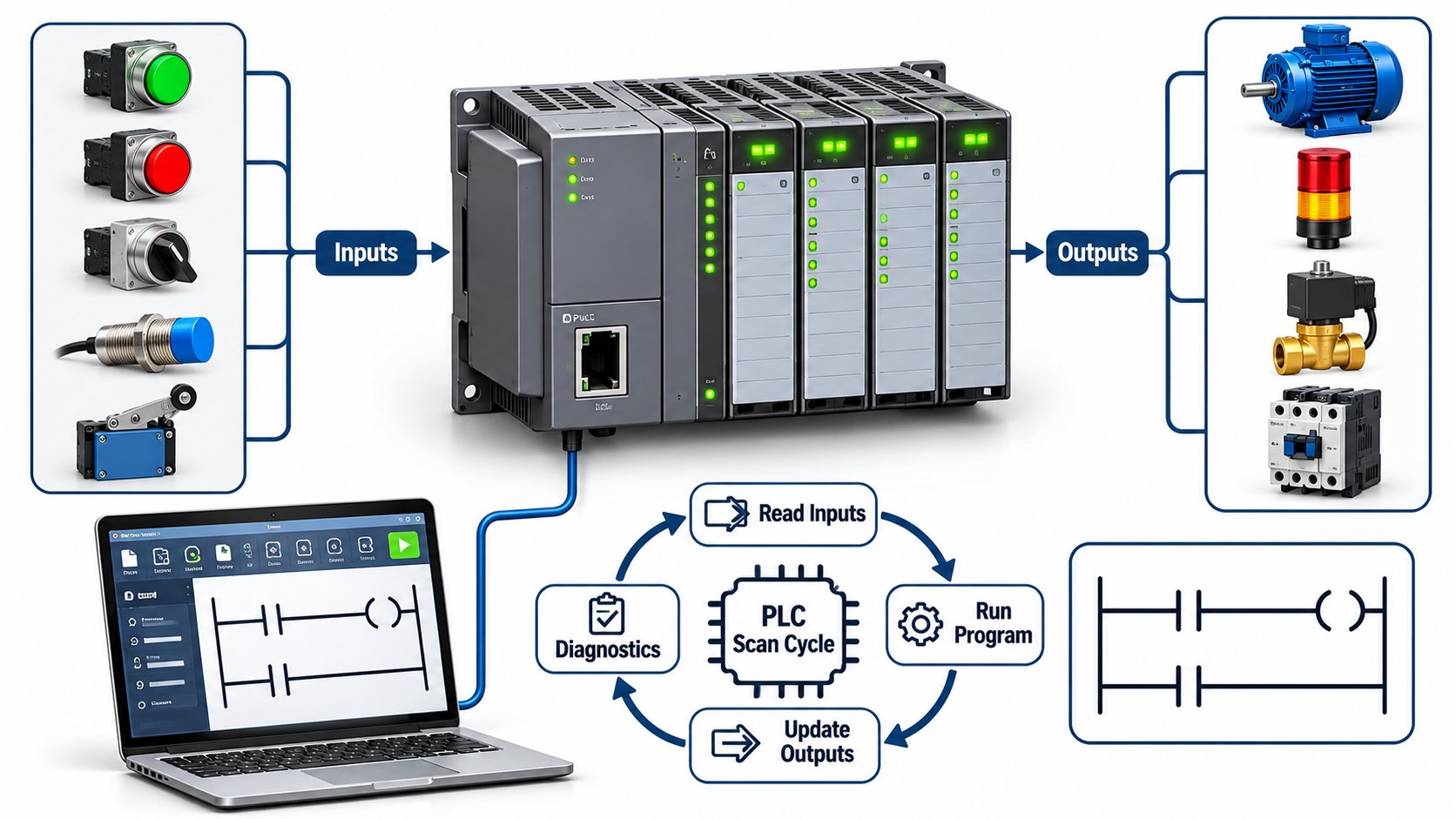
How a PLC scans, I/O and wiring, data types, and the first working program on a real platform.
Practical: Wire and program a tank fill sequence.
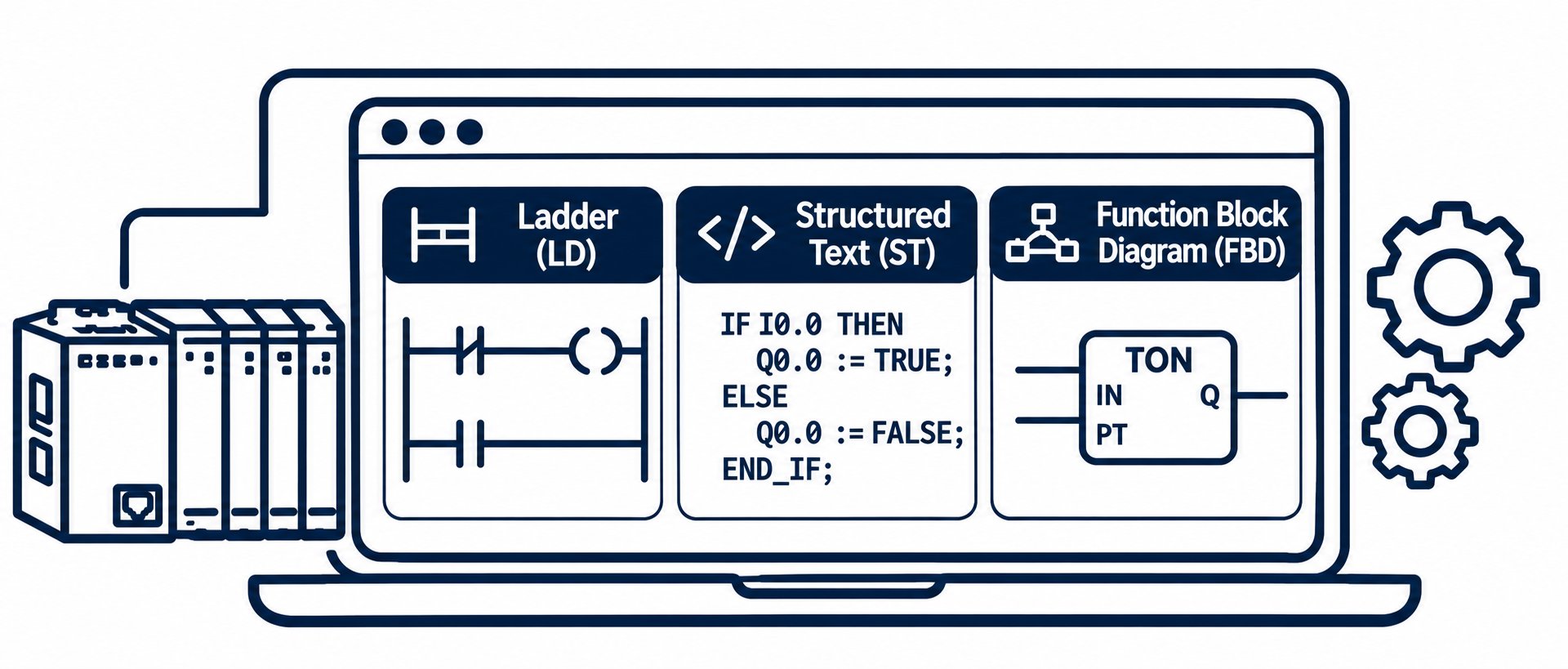
Structured programming on two vendor platforms; timers, counters, state machines, fault handling.
Practical: Program a packaging line sequence with fault recovery.
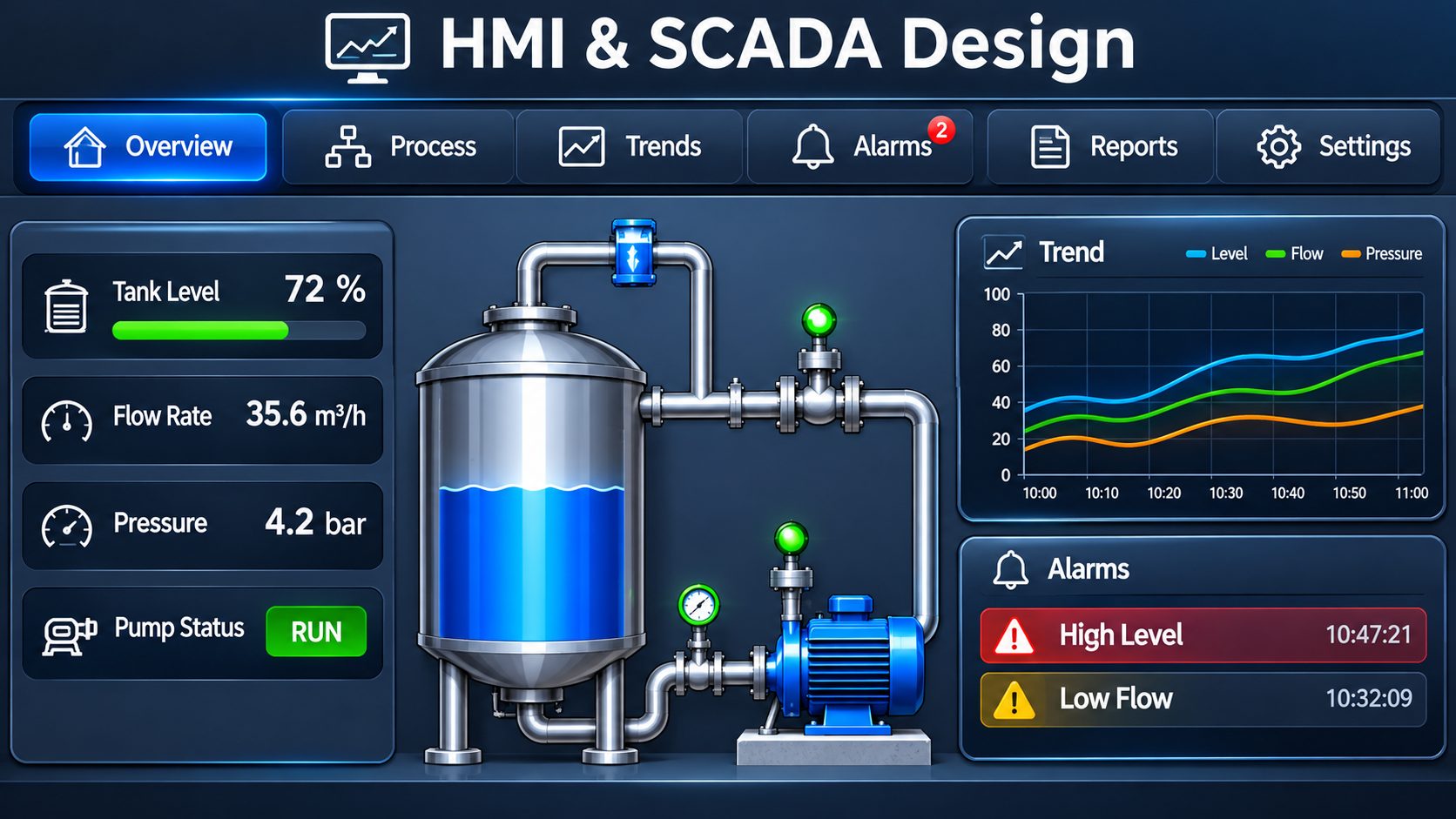
Screens operators can use: hierarchy, alarms, trends, high-performance HMI principles.
Practical: Build the line HMI with alarm handling.
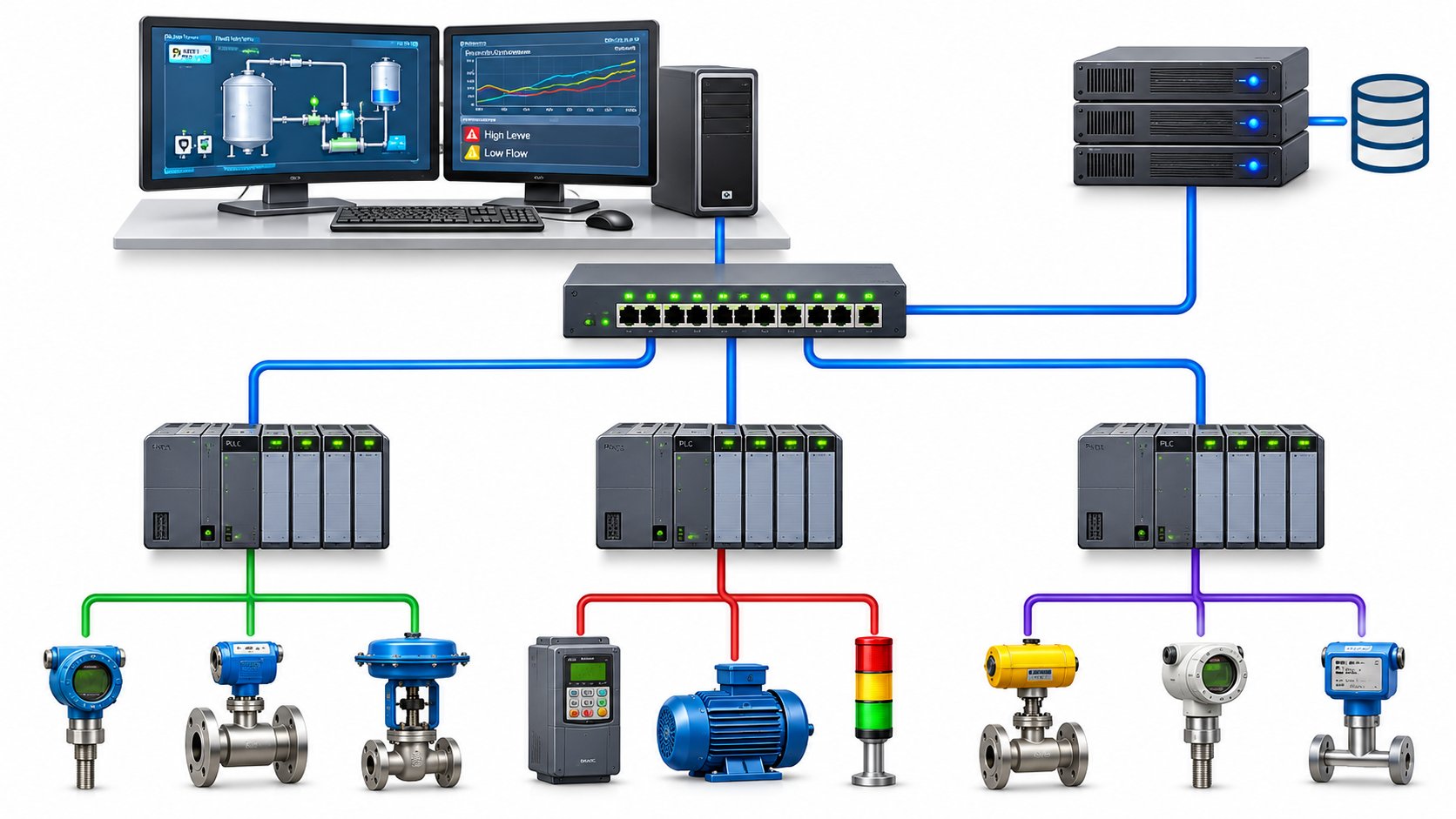
Modbus, Profinet, EtherNet/IP and OPC UA; addressing, diagnostics, segregation.
Practical: Connect PLC, HMI and historian on one network.
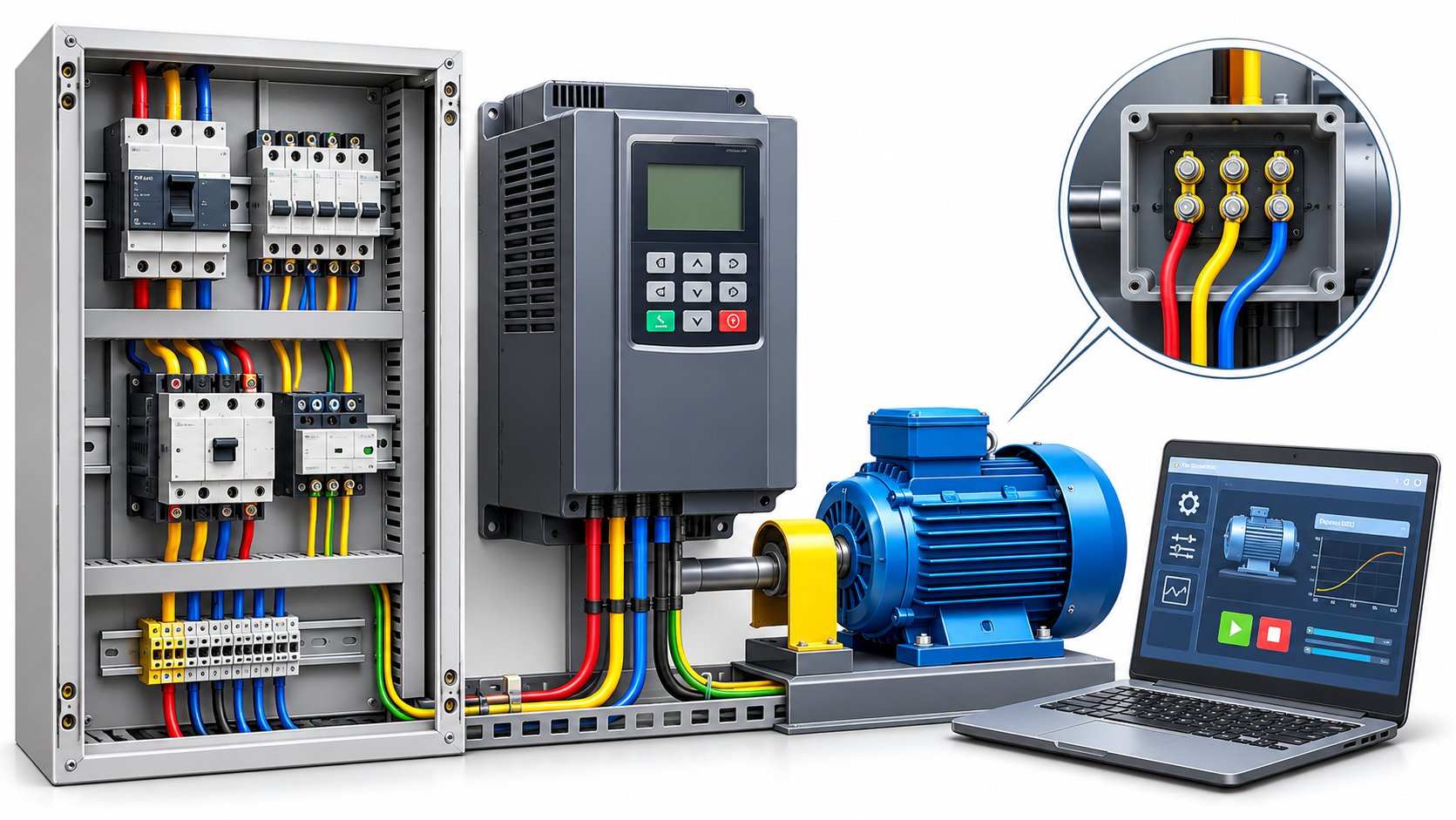
Starters and drives, interlocks, FAT and SAT, loop checks and start-up.
Practical: Commission the line from cold start to steady state.
The full track is ₦700,000 and adds the capstone, exam prep, career support and the MAT Professional Certificate.
Apply for the full trackWeek 18 flagship practical · PLC logic, HMI, alarms, start-up · graded on time to rated speed with zero bypassed interlocks
In the MAT Lab you take a packaging line that has been wired but never run: write the sequence logic, build the HMI with alarm handling, set up the drives, run loop checks and FAT, then bring it from cold start to rated speed. Your instructor grades the logic, the screens and the commissioning record; it goes on your portfolio.
Wire, program and test a complete sequence end to end.
Build the screens and alarm handling for a packaging line.
Loop checks, FAT, SAT and a start-up to rated speed.

Lead instructor · Industrial Automation
8+ years on live plants · currently in industry · teaches one cohort at a time
Your lead has programmed PLCs on live lines, built SCADA systems operators depend on and commissioned plants against a deadline. They teach every class, grade every practical and run the Saturday clinic, with a teaching assistant and guest specialists for networks, drives and safety PLCs. Faculty rotates by cohort, so you meet your lead on the orientation call rather than on this page.
Twenty-five students per track, so your instructor knows your name, your practicals and the mistakes you keep making. Tuesday and Thursday classes are live and interactive: you will be asked to read a trend and say what the loop is doing before the instructor does. Saturday clinics are small-group reviews where you walk the class through your own practical and take questions.
Between classes you are in the MAT Lab, building the week's practical on your own schedule. A teaching assistant, usually a MAT graduate now working in industry, answers questions on the cohort channel within hours. Every class is recorded, so a missed evening never becomes a missed week.
Electrical engineering graduate→Automation engineer
“I could draw a ladder rung on paper but had never made a motor start. By week ten I had programmed a packaging line sequence on two platforms. The commissioning record from week 18 is what got me the job.”
Maintenance electrician→Controls technician
“I had been resetting faults for years without knowing why they happened. After this track I open the program, find the interlock and fix the cause. My plant moved me to the controls team.”
Outcomes shown are for MAT programmes since 2021. Six-month programme cohort 1 outcomes will be published in July 2027.
Prices in naira: you are visiting from Nigeria.
₦700,000
Early-bird until 15 Dec · standard ₦800,000
3 × ₦250,000
Months 1, 3 and 5 · no interest
Apply with instalments₦150,000
Three weeks · one graded practical · upgrade credit
Browse courses
Two of the platforms most common on Nigerian plants. You learn the IEC 61131-3 languages so the skills carry to any vendor; the specific platforms are confirmed at enrolment.
No. The MAT Lab runs the machine models and vendor simulators in the browser. We tell you how to get the free versions of the programming software for your laptop.
Yes. Foundation covers the engineering basics in weeks 1–4, and IA-01 starts from how a PLC scans. Assessed experience counts as a prerequisite.
All practicals run in the simulator, which models wiring, I/O and machine behaviour. Companies that sponsor students can arrange site time separately.
Yes, at the end of Foundation in week 4, without losing work.
MAT Professional Certificate in Industrial Automation, with a verification code and a link to your graded portfolio, including the commissioning record.